Brick, detail and the character of the street
York has historic buildings, brick terraces, semis and newer developments, often within a short distance of each other. A terrace with an intact brick frontage presents a different question from an already rendered extension. The most appropriate work may be inside, outside or limited to an existing area of finish.
Where original brickwork and architectural details are important, coating them should be considered carefully. In a listed building or conservation setting, check the relevant permissions before committing to a material or colour. The fact that a product contains cork does not settle questions of appearance or compatibility.
What a cork coating does
Cork spray is made from cork granules combined with a water-based binder. John applies TIWI CorkSpray to suitable prepared walls, creating a textured surface. Internal cork plastering and external cork rendering are separate applications, with different practical requirements and finishing details.
Cork has thermal properties, but a surface coating should not be treated as a substitute for a specified insulation system. If your main aim is to improve energy performance, the discussion needs to include the whole wall construction. John will explain the proposed scope and avoid attaching a fixed saving to the finish.
Moisture needs its own assessment
Older solid brick walls can be affected by incompatible coatings, defective gutters or moisture from other sources. A vapour-permeable finishing layer cannot correct those problems on its own. Existing paint, plaster and render need to be considered together rather than assessed as isolated surfaces.
If you are contacting John about a damp patch, describe its position, when it appears and whether any repairs have been made. Fresh plaster or render can conceal evidence without resolving the cause. Investigation and appropriate repairs should come before a new finish where an active problem is present.
Newer walls and extensions
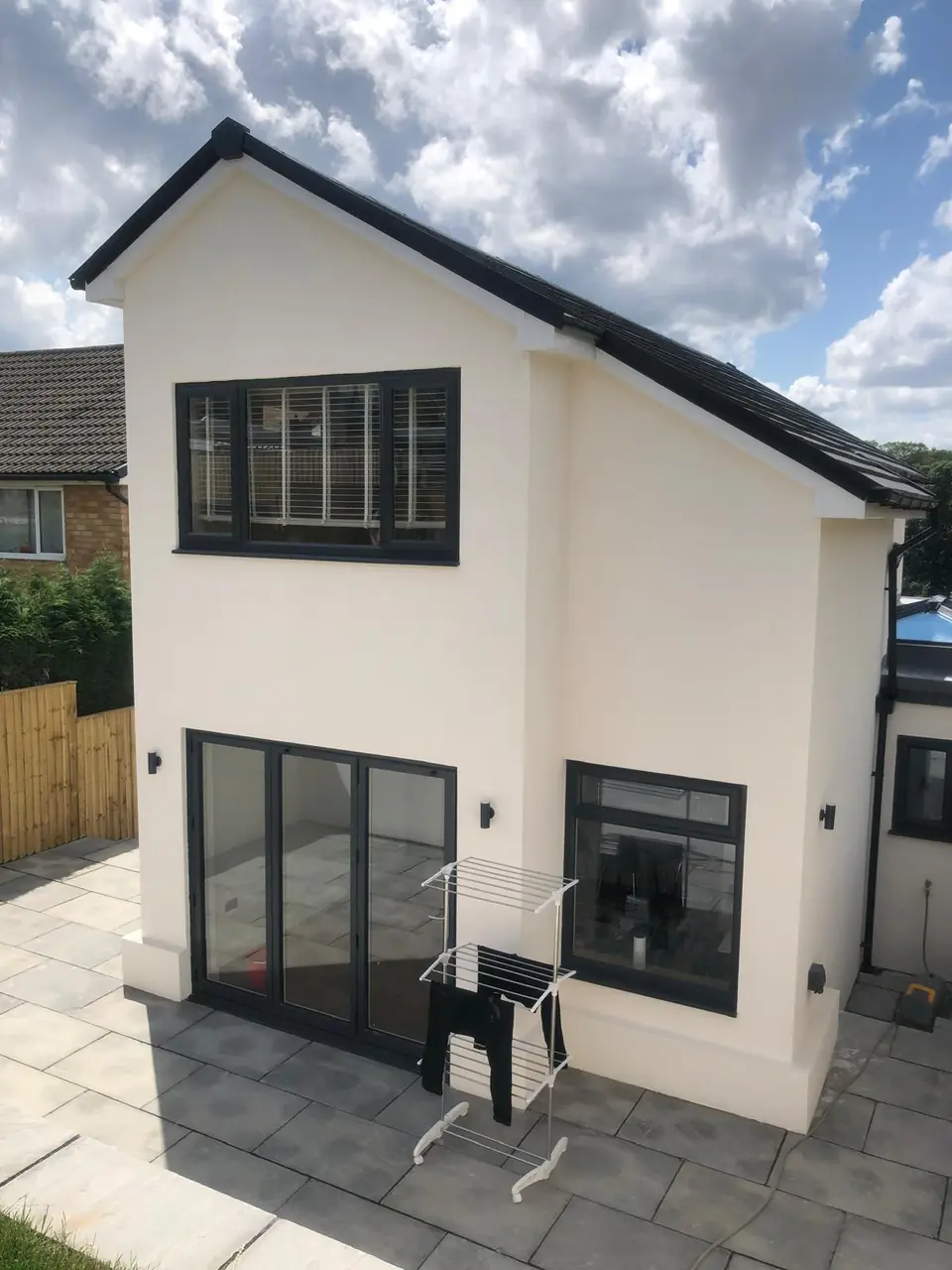
For an extension, a new render may need to meet older brickwork or an existing rendered wall. Colour, texture and the edge of the new work all influence the result. John can compare a traditional render with coloured or thin coat systems, subject to the substrate and specification.
Access also matters. A shared passage, a small courtyard or a lower roof can change the way work is planned. Mention these features, along with any other trades due on site. Exterior work depends on suitable application and drying conditions, while interiors need clear access and protection around the surfaces being treated.
Planning your York enquiry
Eco Coatings serves York and can discuss projects across the wider area, including Wetherby and Harrogate. John has 15+ years in the trade and is a TIWI-accredited cork plasterer. A useful first conversation focuses on what you want to improve and which parts of the building should stay as they are.
Compare the services and browse real photographs of render and plaster finishes before sending an enquiry. You do not need exact measurements or a chosen system to start. Share your postcode, property type and a short description of the walls, with any known restrictions or defects. John can then discuss an assessment and a free, no-obligation quote for the proposed work.
Good questions
Your local project.
Can you render a house in a sensitive York setting?
The building, existing finish and relevant permissions need checking first. John can discuss the proposed work, with specialist or planning advice informing the specification where required.